With the rise of digital platforms, renting a house online has become easier than ever. However, convenience can sometimes come with risks. Fake listings, scams, and misleading information can trap unsuspecting renters. Here’s how to safely rent a house online, along with red flags to watch out for and tips to stay protected.
Tips for Safely Renting a House Online
Use Trusted Rental Platforms Only
Stick to reputable property websites or apps that verify listings and landlords. Avoid obscure websites or social media classifieds that lack transparency.
Always Schedule an In-Person or Virtual Visit
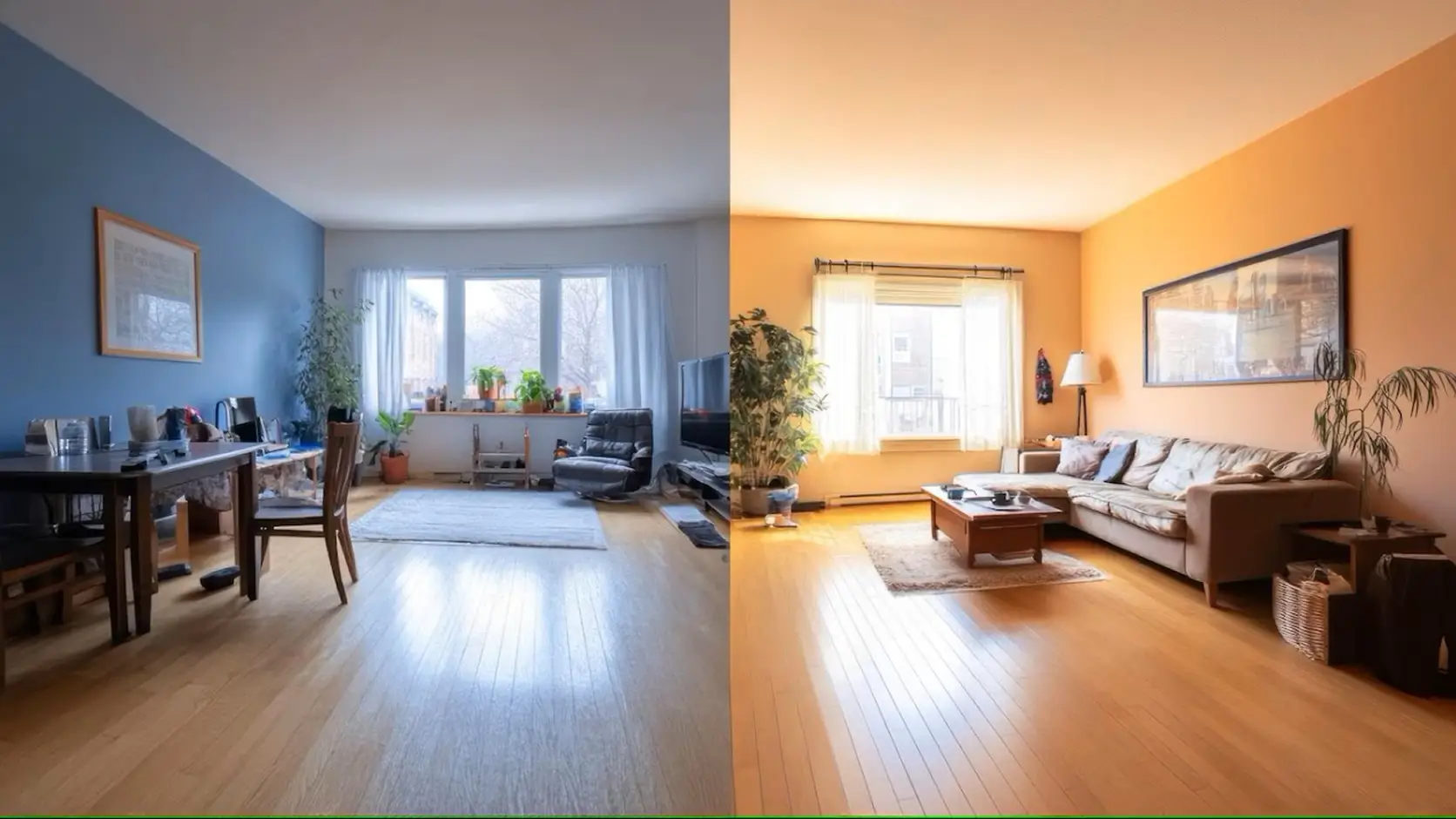
Never agree to rent a home without seeing it. If you can't visit physically, ask for a live virtual tour. Pre-recorded videos and photos can be edited or reused from other listings.
Verify the Owner or Agent’s Identity
Ask for and verify:
- Government-issued ID
- Ownership proof (like a property tax bill or an electricity bill in the owner’s name)
Insist on a Written Agreement
Never rely on verbal deals. A formal rental agreement protects both you and the landlord, and should mention:
- Rent amount
- Security deposit
- Lease term
- Notice period
- Maintenance rules
Make Payments Through Secure Channels
Avoid paying in cash. Use bank transfers or digital wallets, and always collect receipts for rent, deposits, and advance payments.
Red Flags to Watch Out For:
Unrealistically Low Rent
If a house in a prime area is being offered at a very low price, it could be a scam. Compare it with similar listings.
Urgency or Pressure to Book
Scammers often claim:
> “This property is in high demand; pay the deposit now to block it.”
Never transfer money under pressure.
No In-Person Meeting
If the landlord says they’re "out of the country" or avoids meeting, be cautious. Genuine owners or agents will arrange a walkthrough or provide verified alternatives.
Request for Payment Before a Visit
If someone asks for a deposit just to "schedule a visit" or "hold the property," it's a major red flag.
No Valid Documentation
Avoid renting from someone who doesn’t provide:
- Rental agreement
- ID proof
- Police verification (where required)
Final Tips:
- Check reviews of the agent or platform.
- Talk to current or past tenants if possible.
- Do a reverse image search of the listing photos to spot duplicates.
Renting online is safe when you're careful, informed, and alert. Don't let urgency or flashy photos cloud your judgment—take your time, verify every detail, and only deal with verified sources.