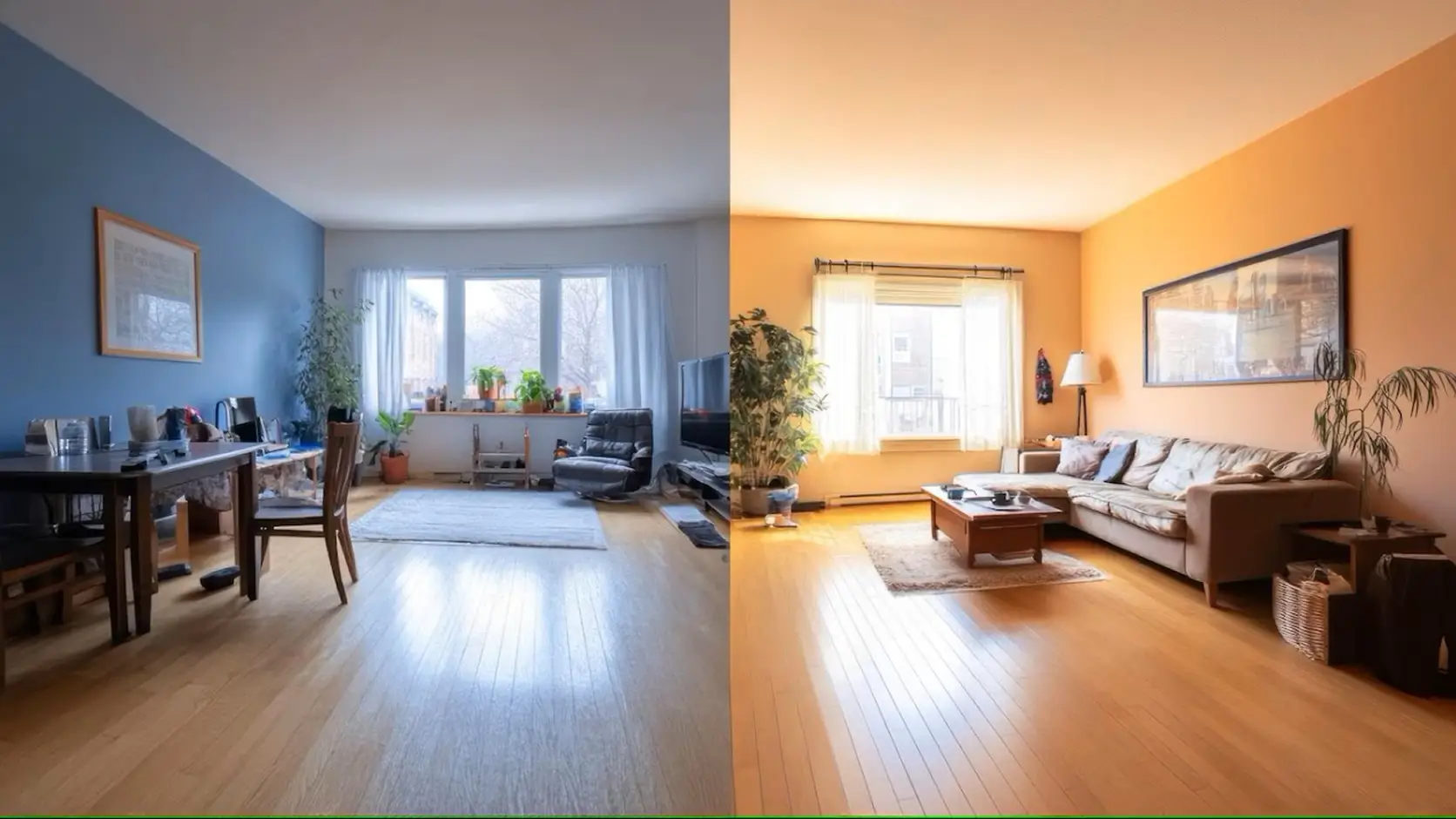

As a student, finding the right home can be one of the most important decisions you make during your academic journey. Whether you're studying locally or relocating to a new city, it's crucial to know how to choose a rental that fits your lifestyle, budget, and needs. Here's your complete guide to renting a home as a student, from start to finish.
Step 1: Set a Budget
Before you begin your search, determine how much you can afford to spend on rent. As a student, consider:
- Monthly Rent: Don’t spend more than 30% of your monthly budget on rent.
- Additional Costs: Factor in utilities (electricity, water, Wi-Fi), groceries, transportation, and any shared costs with roommates.
- Security Deposit: Be ready to pay a deposit (usually 1-3 months’ rent).
Step 2: Decide on the Type of Rental
There are several types of rental properties available:
- Shared Accommodation: Renting a room in a shared apartment or house is a great way to save money and meet new people.
- Private Apartments or Studios: If you prefer privacy, this might be the ideal option, though it may be more expensive.
- Hostels or PGs (Paying Guest Accommodations): Perfect for short-term stays or if you prefer a more community-style living arrangement.
Step 3: Research Locations
Proximity to your campus is important, but don't forget to consider other factors:
- Transportation: Is the property near bus stops, metro stations, or bike rentals?
- Safety: Choose a well-lit area with a low crime rate.
- Amenities: Look for properties near shops, cafes, or places to unwind between classes.
Step 4: Look for Student-Friendly Features
When looking for a rental, keep an eye out for these features that will make student living more comfortable:
- Furniture: Some rentals come furnished, which can save you money and effort.
- Internet: Ensure the property has a reliable Wi-Fi connection, as most studies and activities will depend on it.
- Laundry Facilities: If you’re living off-campus, having a washing machine in the unit or building is a huge plus.
- Security Features: Look for properties with good security, like CCTV, secure entryways, or a doorman.
Step 5: Understand the Lease Agreement
Carefully read the rental agreement before signing it:
- Lease Term: Make sure the lease duration aligns with your academic year.
- Rent and Deposit: Double-check the rent amount, payment deadlines, and deposit refund policy.
- Maintenance and Repairs: Understand who handles repairs and how quickly the landlord responds to issues.
- Roommates: If you're sharing the space, clarify responsibilities such as rent payment, cleaning duties, and guest policies.
Step 6: Look for Flexibility
Students often face changes in schedules, internships, or semester breaks. Look for a rental with:
- Short-Term Lease Options: Many landlords offer flexible lease terms to accommodate student needs.
- Subletting Options: If you plan to travel during holidays or need to leave early, ensure the lease allows for subletting.
Step 7: Meet the Landlord and Inspect the Property
Always visit the property before committing:
- Meet the Landlord: Ask questions about the property and the neighborhood. Ensure they are approachable and reliable.
- Inspect the Property: Look for any damages or issues. Make sure everything works (plumbing, electricity, heating).
- Photographs: Take pictures of the property to document its condition before you move in.
Step 8: Consider Rent Payment Methods
Most students prefer paying rent digitally. Ensure the landlord offers:
- Online Payment Methods: Bank transfer or mobile payment apps.
- Receipt: Always request a receipt after each rent payment.
Step 9: Understand Your Rights as a Tenant
As a tenant, you have legal rights:
- Right to Privacy: The landlord cannot enter your property without prior notice.
- Repairs and Maintenance: The landlord must maintain the property in a habitable condition.
- Security Deposit: The deposit should be returned at the end of the lease, minus any damages or unpaid rent.
Step 10: Move-In and Settle
Once you’ve signed the lease and made your payments:
- Check-in Inventory: Make sure everything is documented, especially any existing damage or issues.
- Settle In: Move your belongings, set up utilities (if needed), and adjust to your new space.
Final Tips for Students Renting a Home:
- Consider Roommates: Sharing a space can significantly reduce costs.
- Know Your Rights: Familiarize yourself with tenant laws in your city or country.
- Stay Organized: Keep track of rent receipts, documents, and agreements.
- Ask for References: If you're unsure about a landlord, ask previous tenants for feedback.
Renting a home as a student can be a rewarding experience if done right. Stay organized, be clear about your needs, and ensure you're entering into a legal and secure arrangement.